I started smoking around thirteen, two packs a day eventually. I grew up in a house with alcoholism, drug addiction, abuse of every kind. I was a teenager with no one to show me how to be a teenager. I turned my own father in for sexually abusing me. That was the mid-80s. Somehow I still went on to build a real life. I married my husband when I was twenty, raised eight kids, became a carver, a businesswoman, but the smoking stayed with me the whole way through. I quit once for a year and a half, then my husband got on the tribe council, and by the end of that first stretch I was back to smoking full time. It wasn’t only the stress of Council. It was being around people constantly, right when I was still finding my footing as a carver trying to build a business, networking, keeping markets going, raising my kids. Eventually it just became a social thing. Everyone around me smoked, so I did too.
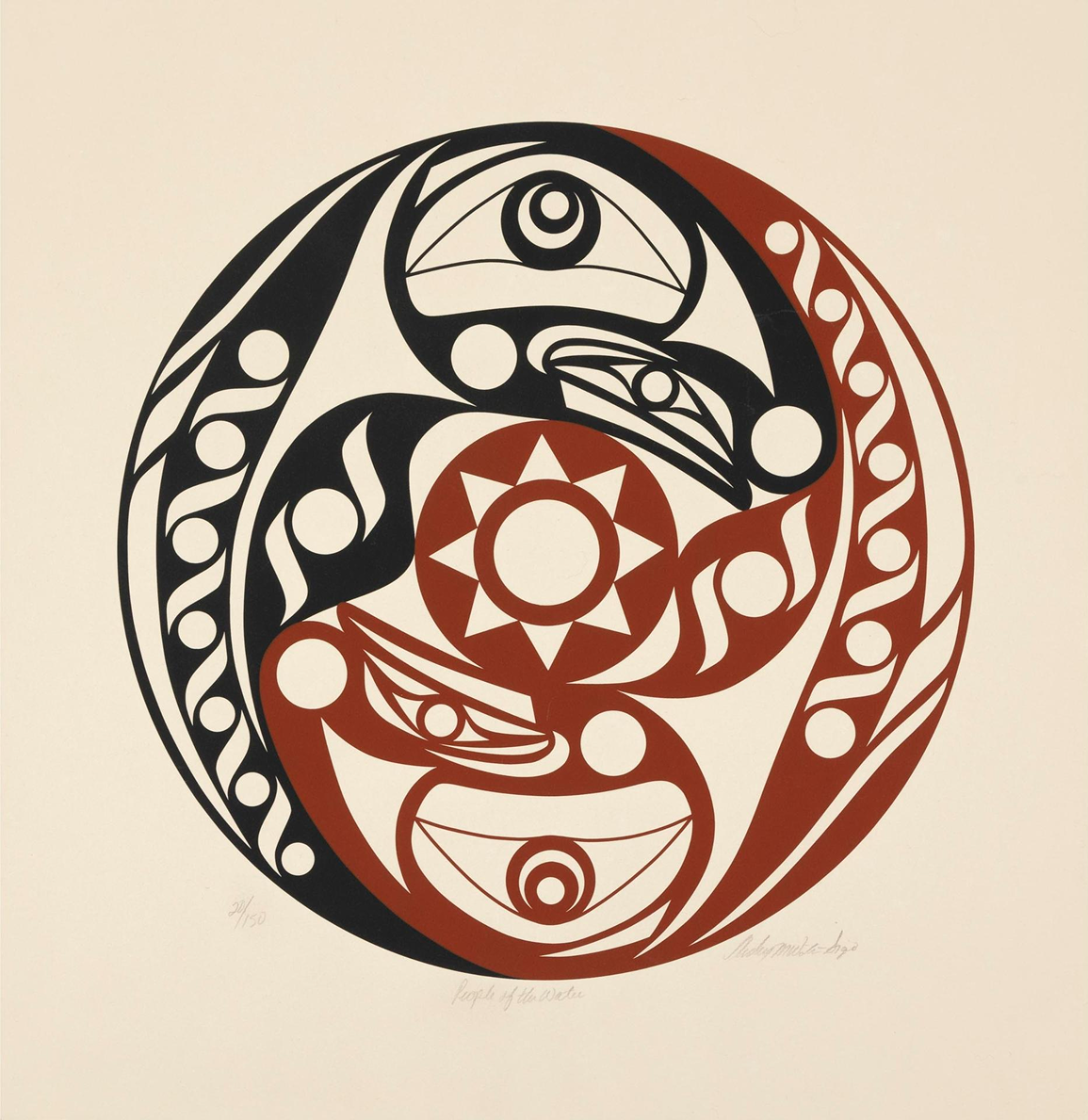
Carving is the thread that runs through all of it, taking stories that have been handed down for generations and finding a way to make them mean something today. I come from a lot of places at once. I’m enrolled Squaxin, though I’m also Skonomish, but I’m connected to nearly every tribe on the Sound, Nisqually, Puyallup, Suquamish, Tulalip, Yakama, S’Klallam. My grandfather is ninety now, from Skokomish. My great-great-grandmother was Yakama. I know my history because I grew up around Henry Allen’s daughter Bertha Visser/Allen, my grandpa, was born in 1864. Sixteen years of my life overlapped with someone who had a living connection to the people who signed the Treaties. I always had that curiosity, went looking for the records myself, and I had my great-grandfather in my life until I was twenty-two.
The most meaningful thing I’ve ever been part of is the Canoe Journey. It’s one of the best gatherings we have in the Puget Sound. Every tribe of the Pacific Rim coming together, sharing songs, dances, stories, learning how to actually work with each other. The kids end up navigating the canoes together, and that’s real healing, because it isn’t just mom and dad raising them, it’s the aunties, the uncles, the mentors, everyone who has something to pass on. Those gatherings are what grounded me while I was building my carving career.
If there’s one thing I want my grandchildren to hold onto, it’s respect. Everything else follows from that. There’s a lot of new-age thinking about parenting now, but the way our people have always taught our children is still the way that works. You teach by example, you guide them, you hold them to a higher expectation, mentally and physically. A book isn’t the only way to know something, and honestly our old ways are getting pushed further down every year books take their place. We can’t just soft-parent our kids and hope they figure out right from wrong on their own.
I turned to herbs instead of always reaching for a pill. I’m a tea person. Peppermint fixes almost everything. My daughter harvested devil’s club at Puyallup this year, elderberries when they come around, and I preserve what I can. When I set out to lose weight, I went back to fish, smoked fish, oysters, clams, fruit, vegetables and it worked, I think, because that’s what my body was built for. Deer, elk, seafood, it’s in the DNA.
What matters most to me now is remembering I represent my grandchildren every time I make a choice. Breaking the cycle of abuse, breaking the cycle of smoking, breaking the cycle of poor health, that’s the work. I looked at my eleven-year-old granddaughter one day and understood I’d be raising kids for the rest of my life, one way or another. I finally quit smoking through hypnosis. I got healthy enough that I ended up pregnant with my son not long after, and the midwives laughed and they said it happened because my body had finally gotten healthy enough to let it go.
Now, when I carve, I look for a photograph first, and the story comes after. That’s how the history stays alive, not just in the wood, but in what gets told alongside it.